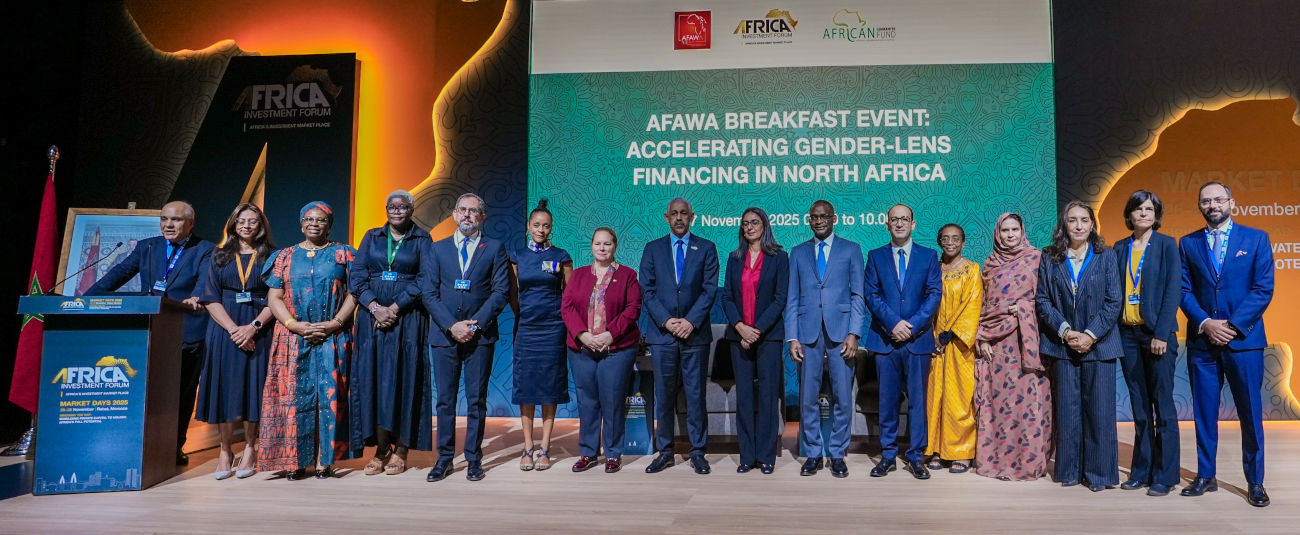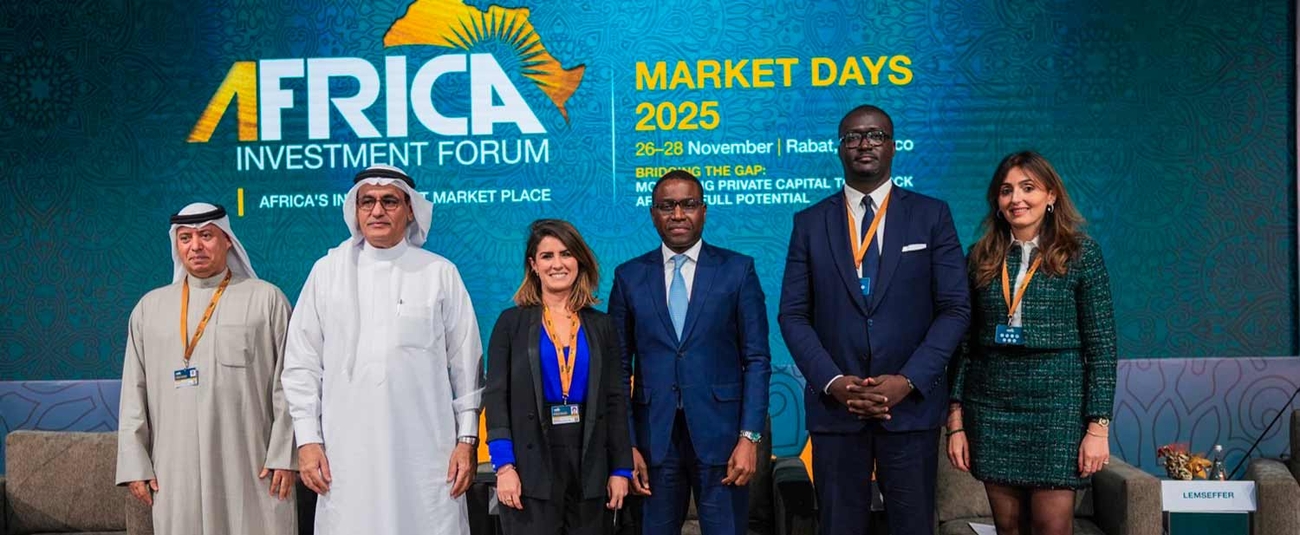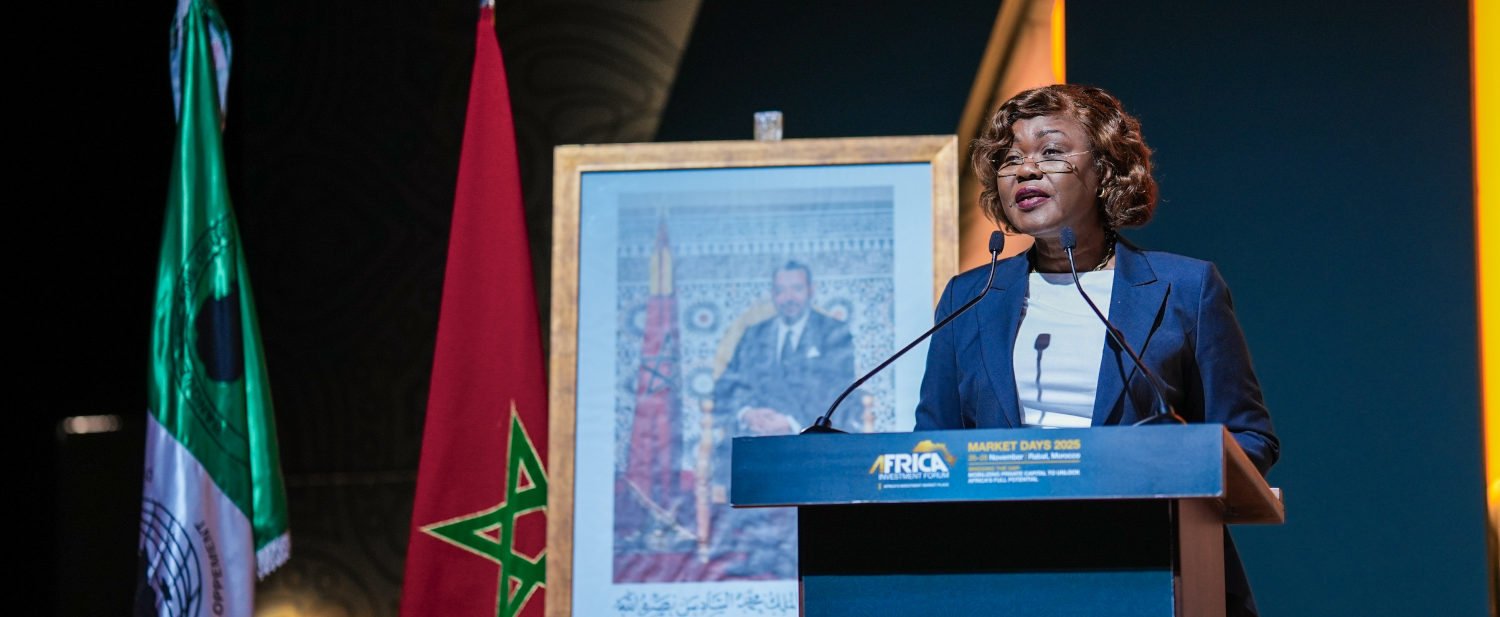
Nialé Kaba, Côte d'Ivoire's Minister of Economy, Planning and Development, has described Africa's women entrepreneurs as untapped "gold mines" at the 2025 Africa Investment Forum Market Days, stressing that with the right financial instruments and political will, women-led ventures can be transformed into collective victories for the entire continent.
Speaking during a high-level workshop hosted by the African Development Bank's Affirmative Finance Action for Women in Africa (AFAWA) program, Minister Kaba made a clarion call to action to overcome the persistent barriers women-led businesses face. The discussion focused on leveraging blended finance to close the gender financing gap and pave the way for more inclusive economic growth across Africa.
"The figures cited are not simple statistics. They reveal talents burned, initiatives extinguished, and economic potential unexploited," Kaba said. "We cannot tolerate this inefficiency in capital allocation if we aim for our continent's emergence."
Although African women have the world's highest rate of entrepreneurship at 24 per cent, they face a nearly $50 billion financing gap. Kaba who also serves as the Bank Group’s Governor for her nation noted that women entrepreneurs show an average non-performing loan rate of just 2.4 per cent— consistently lower than market averages.
"It's precisely in the face of this market failure, in a context where profitability is proven but capital is held back, that the state and institutions like the African Development Bank must intervene to activate correction tools," Kaba said.
African Development Bank Senior Vice President, Marie-Laure Akin-Olugbade called for a strategic shift in financial incentives through the creation of mechanisms that move beyond traditional guarantees to actively reward financial institutions for lending to women entrepreneurs.
"When we talk about blended finance, we often mention guarantees. Rightly so, because they provide a financial shield. They reassure banks and reduce risks," Akin-Olugbade said. "But this morning, I want to talk not about protection and defense. We want to be on the offensive."
“We are really attacking the root of the problem, which is the cost of credit.”
AFAWA’s results demonstrate exceptional leverage. In Tunisia, working with Banque Tunisienne de Solidarité (BTS), it has reached nearly 6,000 women entrepreneurs. In South Africa, in partnership with ABSA, the impact has been impressive: for every million dollars in donor financing provided, AFAWA generated $75 million in financing for women entrepreneurs.
"This is modern development finance with a ratio of 1 to 50, 1 to 75,” Akin-Olugbade added.
Digital technology offers a powerful lever for breaking these barriers, she noted. "A woman entrepreneur in Nairobi or here in Rabat doesn't necessarily need a bank branch with walls and mortar. She simply needs a platform."
Dr. Jemima Njuki, Director of Gender, Women and Civil Society at the African Development Bank, said, "for decades, the narrative around financing for women in Africa was written in a language of deficit. We spoke of vulnerability…but this morning, I am calling on all of us to change that narrative."
According to Njuki there are 194 million women entrepreneurs currently in Africa, whose population is projected to surge to 239 million by 2035 — the highest rate of female entrepreneurship in the world.
"This is not a vulnerable group. This is the most dynamic and most underserved investment asset on our continent," she said.
AFAWA has moved from promise to what she called "proof of concept," with $2.8 billion approved and $1.33 billion already disbursed through partnerships with 195 financial institutions across 45 countries, impacting nearly 25,000 women entrepreneurs through financing and capacity building support.
"The architecture is ready, the strategy is sound, the women are ready, and the only question remaining is: are you ready to invest in the champions of Africa's economic future?" Njuki said.
Yacine Fal who serves as the Special Representative of the Bank Group’s President to the Africa Investment Forum moderated a panel featuring women entrepreneurs who have successfully leveraged blended finance to scale their operations and transform communities.
Founder and CEO of Psaltry International, Yemisi Iranloye, described how she revolutionized cassava processing in rural Nigeria. "Back then, it was very hard for women to get funded," Iranloye said. "If a man had to do just five things to raise a million dollars, a woman would need to do about 15.”
Iranloye found success after receiving blended finance from Alitheia Capital, an AFAWA backed Lagos-based impact investing private equity and financial advisory firm. Alitheia Capital, a past beneficiary of the Africa Investment Forum Market Days, provided a combination of equity and debt to support Iranloye's business. Today, Psaltry operates Africa's first cassava-based ethanol plant and supports over 10,000 women farmers.
A second panel explored strategies for unlocking domestic pension funds and commercial banks that hold trillions of dollars currently invested primarily in real estate rather than small and medium enterprises.
Kaba concluded: "Blended finance is a strategic tool that we must use massively to increase capital access for our entrepreneur sisters to liberate their full potential.”